Ease Canine Anxiety with Scent Work
Dog Training, Scent Work, Canine Anxiety
The Power of Scent Work for Anxious Dogs
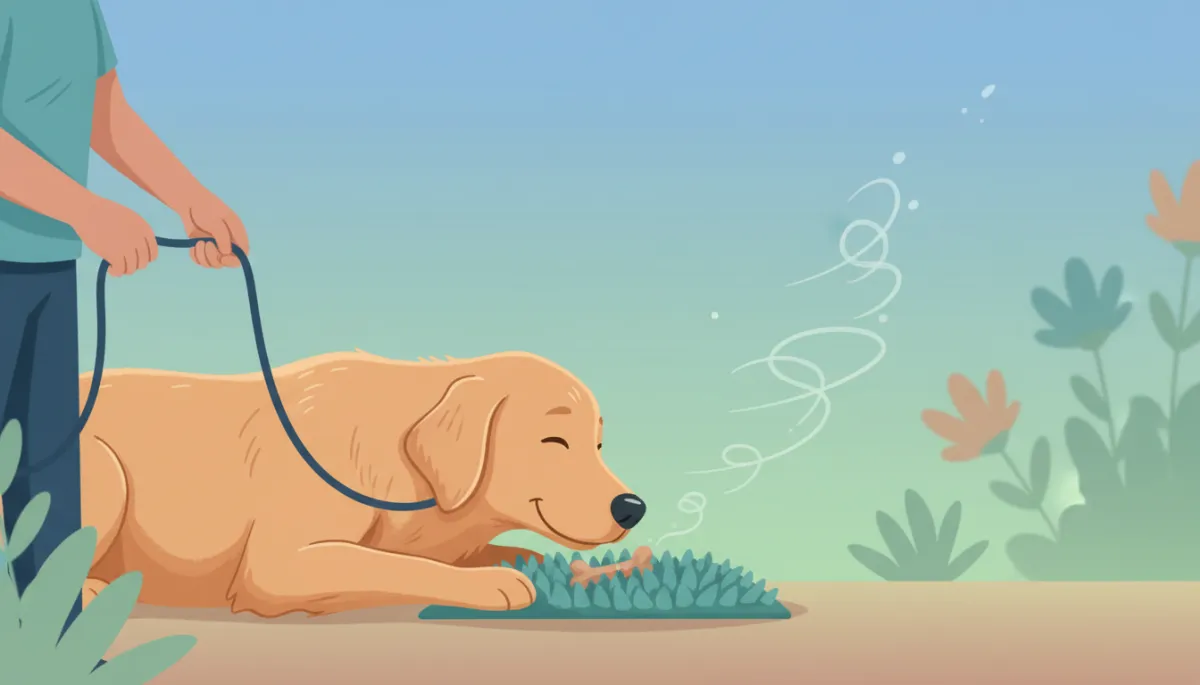
Scent work is far more than a fun game for dogs—it can be a gentle, powerful way to ease canine anxiety, build confidence, and strengthen the bond between you and your dog using positive reinforcement and play.
Why Scent Work Matters for Anxious Dogs
Dogs experience the world primarily through their nose. While we rely heavily on sight, your dog’s most powerful sense is smell. Tapping into that natural ability through Scent Work can be especially transformative for anxious dogs. Instead of asking them to “be brave” in a scary world, you give them a job they were born to do: follow scent, make choices, and earn rewards through positive reinforcement.
For many dogs struggling with canine anxiety—whether it shows up as trembling, barking, pacing, hiding, or clinginess—traditional dog training can feel overwhelming. Scent work flips that script. It shifts the focus from obedience and pressure to exploration and curiosity. Instead of demanding perfect sits or stays, you are saying, “Use your nose, take your time, and I’ll reward you for trying.”
💡 Key Idea: Scent work doesn’t ask anxious dogs to “stop being anxious.” It gives them something empowering to do despite their anxiety.
What Is Scent Work, Exactly?
At its core, scent work is a structured game where dogs search for and locate a specific odor. In sports, that might be essential oils like birch or clove. At home, it can be as simple as hidden treats, kibble, or a favorite toy. The beauty of scent work is that it is highly adaptable: suitable for young or senior dogs, large or small breeds, confident or fearful personalities, and especially useful for anxious dogs who need gentle, low-pressure activities.
Goal: Teach your dog that using their nose leads to finding something valuable.
Method: Set up simple searches and reward generously when they locate the hidden item.
Mindset: It’s about fun, not perfection. The dog leads; you support.
Unlike some types of dog training that focus on strict rules, scent work celebrates natural behavior. Sniffing, searching, problem-solving, and moving at their own pace are all encouraged. This makes it especially accessible for dogs who find busy environments, loud noises, or close human contact stressful.
How Scent Work Helps Reduce Canine Anxiety
1. Engaging the Brain Calms the Body
When anxious dogs are stuck in a loop of worry—startling at every sound, scanning the environment, or pacing the house—their nervous system is in overdrive. Scent work gently redirects that mental energy. Concentrating on a smell, following a trail, and making decisions requires focus. That mental engagement can help lower arousal and shift the dog from “fight or flight” into a more thoughtful, investigative state.
2. Building Confidence Through Safe Successes
Many anxious dogs lack confidence. They might worry about new surfaces, unfamiliar people, or even small changes in their home. Scent work sets them up to succeed in tiny, manageable steps. You can start in a quiet room, using familiar objects, and gradually increase difficulty as your dog’s confidence grows. Each successful find—followed by praise, treats, and positive reinforcement—tells your dog, “You did it. You’re capable. The world isn’t so scary after all.”
3. Allowing Choice and Control
A common thread in canine anxiety is feeling trapped or out of control. Traditional dog training can sometimes add to that feeling if it’s too rigid or punishment-based. Scent work is different. Your dog chooses where to search, how quickly to move, and when to check back in with you. That sense of control can be deeply reassuring for anxious dogs, helping them feel safer in their environment and more willing to explore.
4. Creating Positive Associations With the Environment
For dogs who find the world overwhelming, every new sound or object can feel like a threat. By pairing those same environments with scent games and rewards, you gradually reshape your dog’s emotional response. The hallway where they used to bark? Now it’s where they find hidden treats. The yard that felt overwhelming? Now it’s a treasure hunt zone. Over time, scent work can help replace fear with curiosity and anticipation of good things.
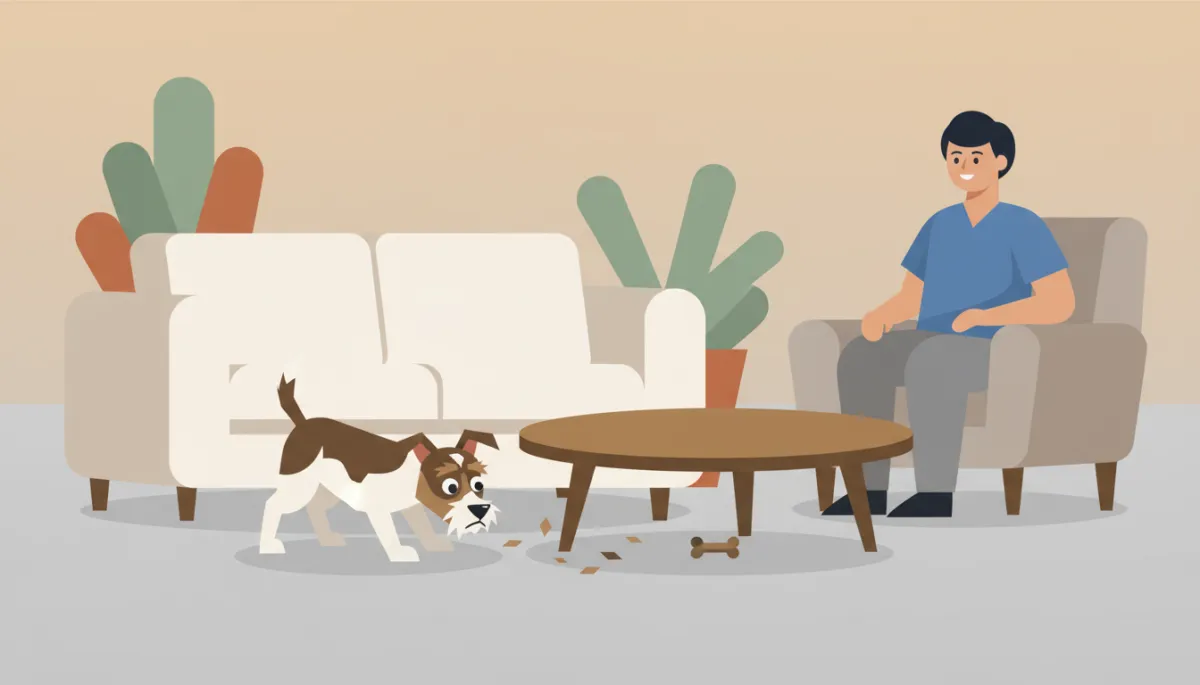
Gentle scent games turn everyday spaces into safe, rewarding exploration zones for anxious dogs.
The Role of Positive Reinforcement in Scent Work
Effective scent work for anxious dogs is built on positive reinforcement. That means you reward your dog for behaviors you want to see more of—sniffing, searching, investigating, indicating the find—rather than correcting or punishing mistakes.
Use high-value rewards (tiny pieces of chicken, cheese, or a favorite treat) when they find the scent.
Add gentle praise in a calm, happy tone—too much excitement can overwhelm some anxious dogs.
Allow breaks and choice. If your dog walks away, respect that and try again later or make the game easier.
Because scent work is so reward-focused, anxious dogs quickly learn that their actions lead to good outcomes. This sense of predictability and safety is crucial for reducing canine anxiety. Over time, they are not just learning a new skill; they are rewiring their emotional responses to be more optimistic and resilient.
📌 Key Takeaway: If your dog looks unsure, make the search easier and increase the rewards. In scent work, success—not difficulty—is what helps anxious dogs grow.
Getting Started: Simple Scent Work Games at Home
Step 1: Choose the Right Reward and Environment
For anxious dogs, start in the calmest space you have—often a quiet room where they already feel safe. Pick a reward your dog truly loves but can eat quickly. Soft, smelly treats work especially well because they are easier to sniff out and highly motivating. If food is not ideal for your dog, a favorite toy can also become the “hidden treasure.”
Step 2: Introduce the Game With No Pressure
Begin by letting your dog see and smell the treat in your hand. Then place it on the floor a short distance away, clearly in view. Release your dog with a simple cue like “Find it!” and allow them to walk over and eat it. Repeat this several times until they start to anticipate the cue and move forward eagerly. This stage is about building a clear, positive association between the cue, the search behavior, and the reward.
Step 3: Make It Slightly More Challenging
Once your dog understands the basic idea, you can begin to hide the treat just out of sight—behind a table leg, under the edge of a rug, or near a chair. Use the same “Find it!” cue, then stay quiet and let your dog work. Avoid pointing or hovering too closely; part of the magic of scent work is allowing your dog to solve the puzzle independently. When they find the treat, mark the moment with a happy “Yes!” or “Good!” and let them enjoy their reward.
Step 4: Expand to Different Rooms and Objects
As your dog’s confidence grows, move the game to other parts of your home. You can hide treats in cardboard boxes, under plastic cups, or in snuffle mats. For anxious dogs, keep changes gradual: one new element at a time. Maybe you introduce boxes but stay in the same room. Later, you might move the boxes to a hallway or another safe space. Each small step helps your dog learn that new things are not automatically scary—they can be part of a fun scent work adventure.
Integrating Scent Work Into Everyday Dog Training
Scent work does not need to be separate from your regular dog training. In fact, it can complement and soften more traditional training routines, especially for anxious dogs who struggle with focus or confidence. Short sniffing sessions before or after working on cues like “sit,” “down,” or “come” can help your dog relax and stay engaged. You can even use scent games as rewards: after a few minutes of practicing a behavior, release your dog to “Find it!” and enjoy a quick search.
Use scent work as a warm-up to reduce anxiety before more challenging training tasks.
Insert short sniffing breaks during training to prevent frustration or overload.
End sessions with a simple search so your dog finishes on a positive, successful note.
When you weave scent work into daily life—during walks, in the yard, or even while you cook dinner—you give your dog frequent opportunities to use their nose constructively. This not only enriches their day but also provides ongoing support for managing canine anxiety in a natural, dog-led way.
Safety and Comfort Tips for Anxious Dogs in Scent Work
Watch for Subtle Stress Signals
Anxious dogs may not always show dramatic signs of stress. Instead, you might see small cues: lip licking, yawning when not tired, turning their head away, freezing briefly, or moving very slowly. If you notice these signals during scent work, it’s a sign to simplify the game, shorten the session, or move back to a more familiar space. The goal is to keep your dog under their stress threshold so scent work remains enjoyable and therapeutic.
Keep Sessions Short and Sweet
For dogs dealing with significant canine anxiety, even fun activities can be tiring. Aim for several very short scent work sessions throughout the week rather than one long, demanding session. Two to five minutes of focused sniffing can be more than enough, especially at the beginning. Ending while your dog is still enjoying the game builds anticipation for next time and protects their emotional well-being.
Adjust Difficulty Thoughtfully
If your dog is searching for more than a minute without finding anything, the hide may be too difficult. Anxious dogs can quickly become discouraged or worried that they are “doing it wrong.” Instead of pushing them to keep going, gently guide them closer to the area or make the next hide easier. Remember, scent work is not a test; it is a confidence-building exercise rooted in positive reinforcement and compassion.
When to Seek Professional Help
While scent work can be a powerful tool for many anxious dogs, some may need extra support. If your dog shows severe signs of canine anxiety—such as panic during storms, destructive behavior when left alone, aggression rooted in fear, or constant hypervigilance—it is wise to consult a qualified professional. A certified dog trainer or veterinary behaviorist can create a customized plan that may include scent work alongside other strategies like behavior modification, environmental management, and, in some cases, medication.
Many modern trainers now incorporate scent work into their programs specifically for anxious dogs. Group scent classes often provide a controlled environment where dogs can practice calm focus around others, while one-on-one sessions allow for highly tailored support. If you choose to work with a professional, look for someone who emphasizes positive reinforcement, respects your dog’s emotional limits, and understands the unique needs of fearful or sensitive dogs.
Bringing It All Together: A Gentle Path to Confidence
The power of scent work for anxious dogs lies in its simplicity and respect for who dogs truly are. It does not demand perfect obedience or instant bravery. Instead, it invites your dog to use their natural strengths—curiosity, scenting ability, and problem-solving—at their own pace. Through carefully structured searches, generous positive reinforcement, and a focus on emotional safety, scent work can transform everyday moments into opportunities for healing and growth.
For you as a dog guardian, scent work offers more than just a new activity. It becomes a shared language. As you watch your dog’s body relax, their tail loosen, and their eyes soften during a search, you are witnessing anxiety give way to engagement. You learn to read subtle signals, to pause when needed, and to celebrate small victories. This deepens your relationship and reshapes the way you think about dog training—from commanding behaviors to supporting your dog’s emotional well-being.
Whether your dog struggles with mild worries or more serious canine anxiety, scent work is a gentle, adaptable tool you can begin using today. Start small, keep it fun, and let your dog’s nose lead the way. Over time, you may find that the simple act of searching for a treat behind a chair or in a cardboard box becomes much more than a game—it becomes a pathway to confidence, calm, and a richer life together.
