
5 Tips for Successful Puppy Training
Puppy Training, Dog Training Tips, New Puppy Owners
5 Tips for Puppy Training Success: A Calm, Confident Start for You and Your Dog
Bringing home a new puppy is exciting, adorable, and—if we are honest—a little overwhelming. The good news is that with a thoughtful approach to puppy training and a few practical dog training tips, you can build good habits from day one and set your pup up to become a calm, confident, successful puppy who fits beautifully into your life.
Why Early Puppy Training Matters So Much
The first months with your dog are more than just a cute stage—they are the foundation for your puppy’s behavior for years to come. New puppy owners often underestimate how quickly habits form. Every time your puppy jumps up and gets attention, pulls on the leash and moves forward, or whines and is let out of the crate, they are learning what works. Intentional puppy training simply means deciding what you want your dog to learn and showing them, kindly and consistently, which behaviors are rewarded and which are not.
The following five tips focus on realistic, everyday dog training tips that anyone can use. You do not need special equipment or advanced skills—just patience, repetition, and a clear plan. When you approach training this way, you will prevent many common behavior problems before they ever start, making life easier for both you and your dog.
Tip 1: Build a Routine Your Puppy Can Rely On
Puppies thrive on predictability. A clear daily routine is one of the simplest yet most powerful tools for puppy training success. When your puppy knows when to eat, sleep, play, and go outside, their body and brain begin to anticipate what is coming next, which naturally reduces anxiety and accidents and supports better puppy behavior overall.
Set regular potty breaks: For very young puppies, plan to go outside every 1–2 hours during the day, plus right after waking, after meals, and after playtime. Use the same door and the same spot whenever possible so your puppy connects the routine with going to the bathroom outside.
Keep meals consistent: Feed at the same times each day. This helps regulate digestion, making house training much more predictable for new puppy owners.
Schedule rest and play: Puppies need far more sleep than most people realize—often 16–18 hours a day. Short, focused play and training sessions followed by naps lead to a calmer, more successful puppy than endless overstimulation.
As you stick to a routine, you will notice your puppy naturally settling at certain times and becoming more predictable. This alone reduces many problems that new puppy owners face, such as frantic zoomies late at night, constant accidents, or a puppy who seems “wild” and out of control.
💡 Pro Tip: Write your puppy’s schedule on a notepad or phone and share it with everyone in the household so feeding, walks, and potty breaks stay consistent, no matter who is on duty.
Tip 2: Use Positive Reinforcement to Shape Puppy Behavior
Positive reinforcement is at the heart of modern puppy training. Instead of focusing on punishing mistakes, you reward the behaviors you want to see more often. This approach builds trust, strengthens your bond, and makes learning fun for your dog. It is one of the most effective dog training tips for any age, but it is especially powerful with young puppies who are still forming their view of the world.
At its simplest, positive reinforcement means: your puppy does something you like, and something good happens immediately afterward. The “good” thing might be a tiny food reward, praise, petting, a toy, or the chance to go outside. Over time, your puppy learns that sitting politely, walking by your side, or lying calmly on a mat are all behaviors that make wonderful things happen.
Reward quickly: Timing matters. Aim to reward within one or two seconds of the behavior you like, so your puppy can clearly connect the action with the reward.
Use small treats: Soft, pea-sized treats work best for frequent training. They keep your puppy engaged without overfeeding, which is important for a healthy, successful puppy as they grow.
Catch good behavior: Do not wait for “formal” training sessions. If your puppy chooses to lie quietly instead of barking, or checks in with you on a walk, mark and reward that choice. You are constantly shaping puppy behavior, even when you are not actively “training.”
New puppy owners sometimes worry that using treats means their dog will only listen if food is present. In reality, treats are a powerful teaching tool in the early stages. As your puppy understands the behavior, you can gradually mix in other rewards—play, praise, access to the yard—and slowly reduce how often you use treats, while still reinforcing good choices often enough to keep behaviors strong.
Tip 3: Socialize Early—But Do It Safely and Calmly
Socialization is more than letting your puppy meet other dogs. It is a structured process of gently introducing your pup to the sights, sounds, people, and experiences they are likely to encounter throughout their life. Well-planned socialization is one of the most important investments you can make in your dog’s future behavior and confidence, and a key part of raising a successful puppy who can handle the real world without fear or reactivity.
During the critical socialization window—roughly from 3 to 16 weeks of age—your puppy is especially open to new experiences. The goal is to create positive, low-pressure exposures, not to overwhelm them. Think “gentle introduction,” not “throw them in the deep end.”
People and places: Let your puppy see people of different ages, sizes, and appearances from a comfortable distance. Visit quiet streets, parking lots, or outdoor cafes where they can watch the world while feeling safe at your side.
Sounds and surfaces: Expose your puppy to doorbells, vacuum cleaners, traffic noises, and different walking surfaces like grass, gravel, and hardwood floors. Pair each new experience with treats and praise so they learn that strange things are no big deal.
Other dogs: Choose calm, vaccinated adult dogs or well-run puppy classes rather than chaotic dog parks. You want interactions that teach polite greetings and play, not rough, overwhelming encounters that can scare a young dog.
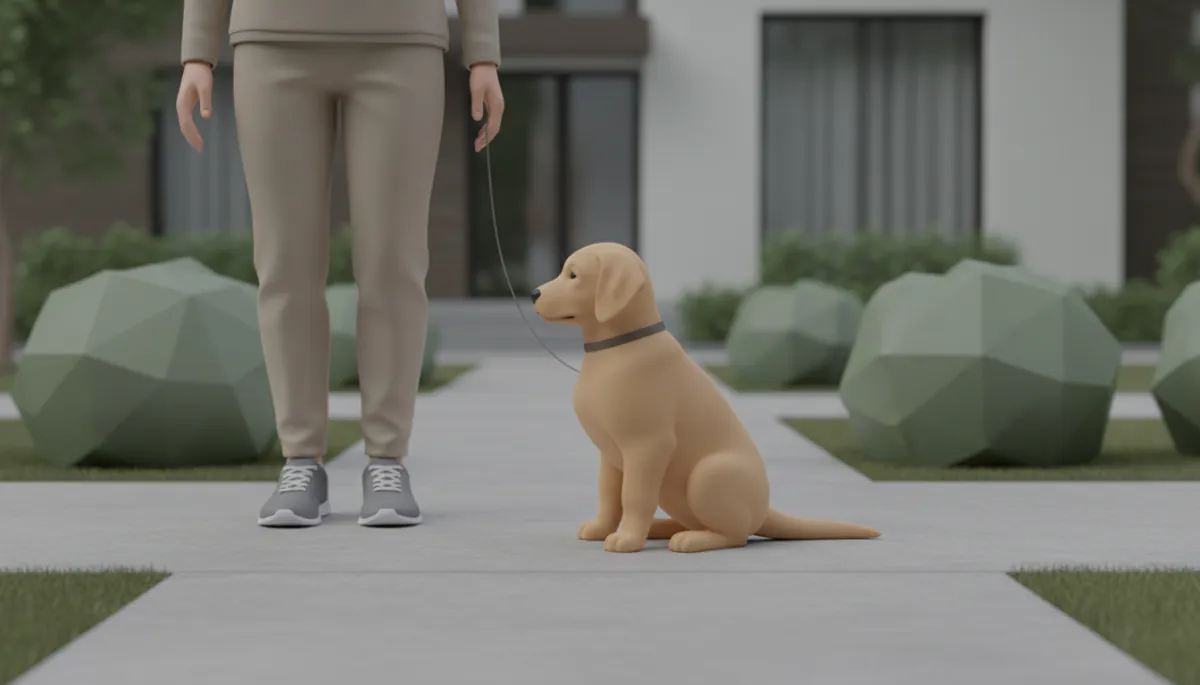
Calm, positive socialization teaches puppies that the world is safe and predictable.
Always watch your puppy’s body language. A successful puppy training session leaves them curious and relaxed, not shut down or frantic. If they seem worried—ears back, tail tucked, refusing treats—move farther away, lower the intensity, and let them observe from a distance. You are teaching them that you will keep them safe, which is one of the most powerful dog training tips for building trust.
💡 Pro Tip: Make a “socialization checklist” of everyday experiences—people with hats, bicycles, elevators, car rides, groomer visits—and work through it slowly over several weeks, keeping each exposure short and positive.
Tip 4: Teach Calmness and Self-Control from the Start
Many new puppy owners focus only on “sit,” “down,” and other obedience cues, but some of the most valuable skills you can teach are calmness and self-control. A puppy who can settle on a mat, wait politely for food, and keep four paws on the floor when greeting people will be far easier to live with than one who knows fancy tricks but cannot relax.
Calmness is not something puppies magically grow into; it is a behavior you can actively encourage. Here are a few simple ways to build it into your everyday puppy training:
Reward quiet moments: When your puppy chooses to lie down on their own, chew a toy calmly, or rest at your feet, quietly drop a treat between their paws. Over time, they learn that relaxing is rewarding, not just bouncing off the walls.
Teach a “settle” spot: Place a mat or dog bed in a common area. Lure your puppy onto it with a treat, then reward them for staying there, even for a second or two. Gradually build up the time. This becomes a powerful tool for managing puppy behavior during meals, guest visits, or quiet evenings.
Practice impulse control games: Simple exercises like asking your puppy to sit and wait before you put the food bowl down, or before going through a doorway, teach them that patience and self-control pay off.
These calmness skills are especially helpful during adolescence, when many dogs go through a “teenage” phase and test boundaries. A puppy who already understands how to settle, wait, and look to you for guidance will move through that stage more smoothly, remaining a successful puppy and, eventually, a well-mannered adult dog.
💡 Pro Tip: Avoid wild play right before bedtime or important quiet times. Instead, use gentle training games and chew toys to help your puppy wind down and practice calm behavior.
Tip 5: Be Consistent, Patient, and Realistic with Your Expectations
Even with the best puppy training plan, progress will not always be a straight line. There will be accidents, chewed items, and days when your puppy seems to have “forgotten” everything they learned. This is normal. What matters most is your consistency and your ability to stay patient and calm in the face of setbacks.
Consistency means that the rules stay the same, no matter who is interacting with the puppy or what mood you are in. If jumping on the couch is not allowed, it should never be allowed—no matter how cute they look. If pulling on the leash means you stop walking, that rule should apply every time, not just when you are not in a hurry. Clear, steady rules are one of the most powerful dog training tips for avoiding confusion and frustration, both for you and your dog.
Agree on house rules: Talk with everyone in your home about what is and is not allowed—beds, furniture, feeding from the table, greeting visitors—so your puppy gets the same message from all humans.
Manage the environment: Use baby gates, crates, and exercise pens to prevent your puppy from practicing unwanted behaviors when you cannot watch them closely. Management is not a failure; it is smart, realistic puppy training that protects both your home and your relationship with your dog.
Celebrate small wins: Instead of focusing on everything that still needs work, notice the improvements: fewer accidents this week, a slightly calmer greeting, a quicker response to their name. These are signs that your efforts are working and that you are on the path to a truly successful puppy.
It also helps to remember that puppies mature at different rates. Some pick up house training quickly but take longer to stop mouthing and chewing. Others are naturally calm indoors but get easily overstimulated outside. Comparing your dog to others—online or in your neighborhood—can create unrealistic expectations. Instead, measure progress against where your puppy started, and adjust your training plan to their individual needs and personality.
Putting It All Together: A Simple Daily Plan for New Puppy Owners
To make these five tips easier to apply, it can help to imagine what a typical day of puppy training might look like when everything works together. Here is a simple example routine that weaves in structure, positive reinforcement, socialization, calmness, and consistency:
Morning: Take your puppy outside to the same potty spot as soon as you wake up. Quietly praise and reward when they go. After breakfast, spend 5–10 minutes practicing a few basic cues like “sit,” “come,” and “watch me,” using tiny treats and lots of encouragement.
Midday: Offer a short walk or play session that includes gentle socialization—watching people and cars from a distance, hearing new sounds, or walking on a different surface. Keep it short and positive, then give your puppy a safe chew and a nap in their crate or pen to practice calm alone time.
Afternoon: Another potty break, then a few minutes of impulse control games: waiting politely before going through a doorway, sitting before the food bowl goes down, or settling on a mat while you move around the room. Reward generously for calm behavior.
Evening: When the household is busier, use gates or a leash tether to keep your puppy close without letting them rehearse unwanted behaviors like jumping on guests or stealing items. Reward them for choosing to lie quietly, chew an appropriate toy, or rest on their mat. Finish the day with a calm potty trip and a predictable bedtime routine.
This kind of day is not complicated, but it is intentional. You are using structure, rewards, socialization, calmness, and consistency—our five core puppy training tips—to shape your dog’s choices from morning to night. Over weeks and months, those small, repeated experiences create a stable, well-adjusted, and truly successful puppy.
When to Ask for Help from a Professional
Even with excellent puppy training habits, some dogs will struggle with specific issues such as intense fear, persistent resource guarding, or extreme reactivity. If your puppy growls frequently when approached, seems unable to relax, or shows behavior that feels worrying in your gut, it is wise to consult a qualified, reward-based trainer or behavior professional sooner rather than later. Early guidance can prevent small concerns from becoming serious problems later on.
Look for someone who uses modern, science-backed dog training tips centered on positive reinforcement and humane methods. Avoid trainers who rely heavily on intimidation, harsh corrections, or tools designed to cause pain. Your puppy is learning not only cues and rules, but also whether humans are safe and predictable. Protecting that trust is essential for raising a confident, successful puppy who enjoys working with you.
Final Thoughts: Raising a Successful Puppy Is a Journey, Not a Race
Puppyhood can feel intense, especially for first-time new puppy owners. There will be days when you are tired, when the accidents feel endless, and when you wonder if you are doing anything right. In those moments, remember that every small, consistent choice you make—rewarding good behavior, sticking to routines, guiding your puppy calmly through new experiences—is quietly shaping the adult dog you will share your life with for years to come.
Focus on these five pillars of puppy training success: routine, positive reinforcement, thoughtful socialization, calmness, and consistency. Together, they create a clear, compassionate framework that helps your puppy understand how to behave in your world. You do not need perfection; you just need to keep showing up, practicing, and adjusting as you learn more about your dog.
If you approach puppy training as a partnership rather than a battle, you will not only raise a well-mannered companion—you will build a deep, trusting relationship that makes every walk, every cuddle, and every shared adventure that much more rewarding. With patience, clarity, and the right dog training tips, your playful, sometimes chaotic new arrival can grow into the calm, confident, successful puppy you imagined when you first brought them home.
